
If you run apparel, you’ve heard the letters “DTF” tossed around like everyone was born knowing them. If you want a quick reference page for the basics and common terms, sites.google.com/view/dtf-transfers is often used by shop owners as a simple starting point. Meanwhile, you’re just trying to ship clean prints without refunds. DTF transfers are popular because they convert digital artwork into a press-ready transfer that can be applied to garments with heat and pressure. Now let’s break the tech down in plain language, with fewer myths and more mechanics.
How DTF Transfers Are Made Step by Step
 DTF stands for direct-to-film. The design is printed onto a special film using DTF inks, usually including a white layer for opacity. After printing, hot-melt adhesive powder is applied to the wet ink area. That powder is then heated so it gels and becomes a ready-to-press adhesive layer. Think of it like building a sandwich: ink, powder, and controlled heat to set it. Once cured, the film holds a finished transfer. It can be stored for later or used right away. During application, a heat press melts the adhesive again and pushes it into the garment surface. Pressure is not a suggestion here; it’s part of the bond. After pressing, the film is peeled away, and the print stays behind.
What Equipment You Need and What Each Part Does
The core gear list is short, but each piece matters. You need a printer that can output DTF ink onto film, plus the film itself. You need adhesive powder, and you need a way to cure that powder evenly. Some shops use a curing oven, others use a heater setup, and higher-volume setups use shaker-dryer units. The goal is always even curing, because patchy curing creates weak spots. You also need a reliable heat press. This is the workhorse that finishes the job. It must hold a steady temperature and deliver consistent pressure across the platen. If you have cold spots, you get edge lift later. Add basic workspace items too.
Why Apparel Businesses Like DTF for Variety
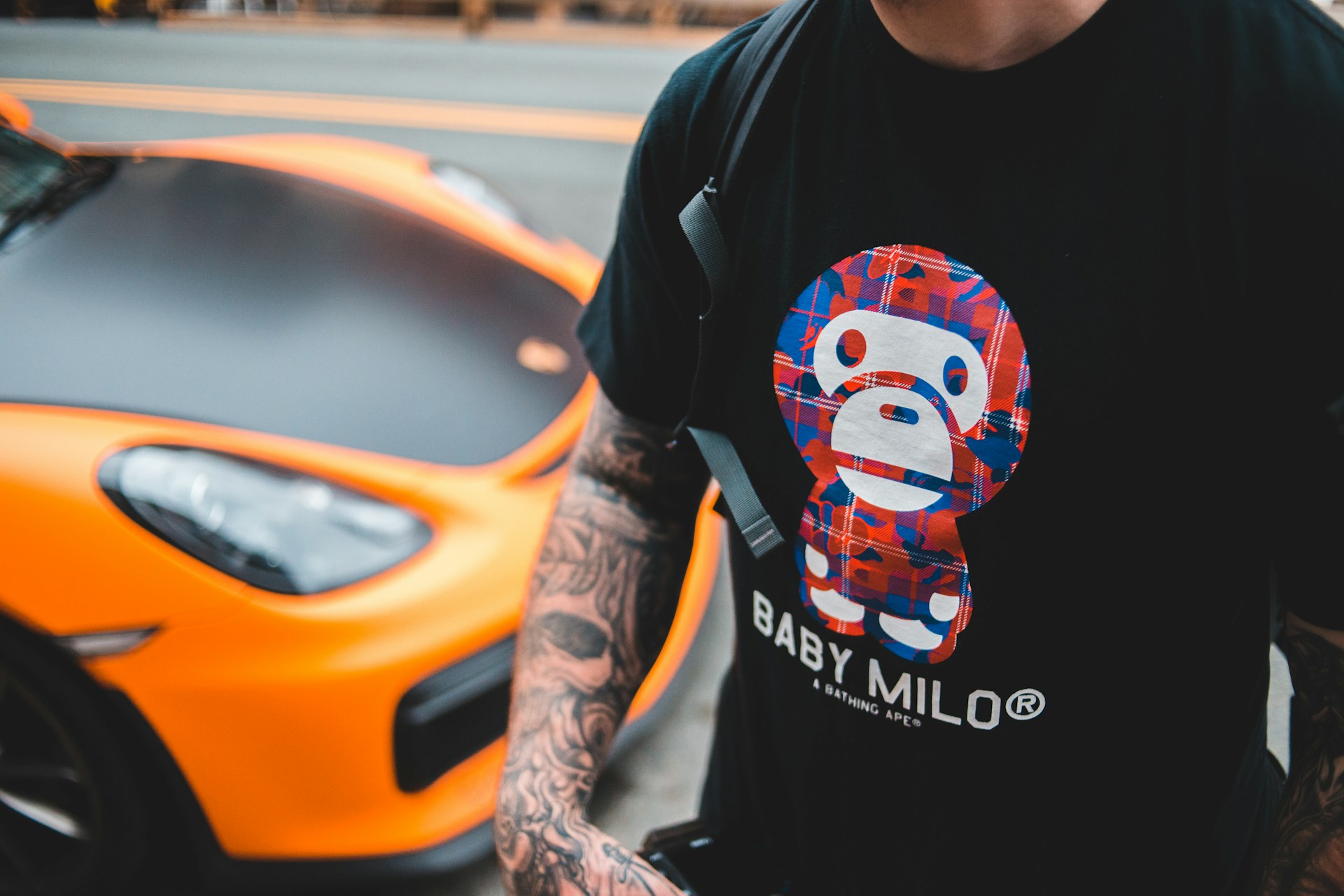
DTF is flexible with artwork. It handles gradients, fine details, and full-colour graphics without cutting layers like vinyl. That makes it friendly for modern designs that look like posters or digital illustrations. It also supports fast switching between designs. If you run drops, seasonal releases, or lots of SKUs, that matters. DTF also works across many fabrics, including cotton, polyester, and blends. That reduces the need to juggle multiple print methods. For small teams, fewer methods means fewer training problems. It also makes inventory planning easier. You can focus on garments instead of constantly changing print tech.
How to Judge Quality Before You Commit to a Big Run
A good DTF print has sharp edges, smooth colour, and no weird texture spikes. Look closely at fine lines and small text. Those areas expose weak settings fast. Check the edges after pressing, because lifting often starts there. If the edge looks slightly raised, it might lift later in washing. Test durability like you mean it. Do a stretch test and a wash test on a sample garment, then inspect for cracking or fading. Pay attention to large, solid areas because they show press pressure issues. If the colour looks dull on dark fabric, the white layer or curing might be off. A quick test shirt can save you a mountain of reprints.…