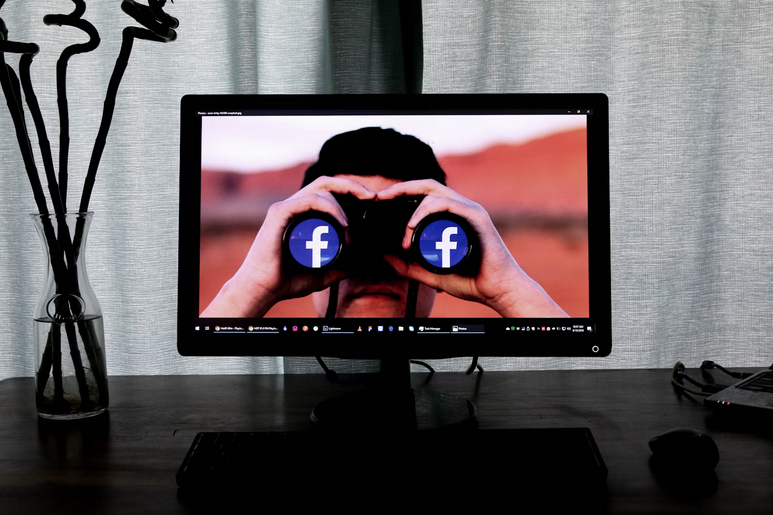
Every minute, Facebook users upload text, images, and videos in a tidal wave of content. With billions of posts appearing each day, keeping things clean isn’t just a challenge—it’s a digital balancing act. The stakes are high. One missed post can spark outrage, while too much filtering leads to accusations of censorship. It’s like trying to find a handful of broken needles in a warehouse full of new ones. Tech teams must move fast, but think faster, all while dealing with added pressure from trends like the best sites to buy facebook likes, which can skew visibility and engagement metrics.
AI Isn’t Always the Hero
 Facebook leans heavily on artificial intelligence to filter what gets seen. Algorithms sift through language, tone, and even image content at dizzying speed. But here’s the catch: sarcasm confuses machines. A joke about politics could be flagged while actual hate speech slips by. Automated systems guess what’s right, but guessing isn’t the same as understanding. That’s why human moderators are still in the loop—sorting through the mess AI leaves behind.
Human Moderators: The Quiet Backbone
Imagine spending hours every day reviewing the worst of the internet. That’s the job of a Facebook moderator. They catch what machines miss, but at a cost. Mental exhaustion is real, and turnover is high. Some moderators work under pressure to meet quotas while still judging nuanced posts. And with thousands of languages and dialects floating through the platform, no one job description fits all.

Language and Context: A Never-Ending Puzzle
A word can be innocent in one place and offensive in another. Slang mutates faster than most filters can keep up. Even emojis have hidden meanings depending on the audience. What’s flagged in one region may be left untouched in another, creating inconsistencies. This challenge grows with global use, not shrinks. There’s no one-size-fits-all approach—context always matters.
False Positives and Missed Flags
 Sometimes posts are removed by mistake. Other times, offensive content stays up far too long. It’s a constant back-and-forth. Flag too much, and people complain about free speech. Flag too little, and they demand action. Striking a balance feels like walking a tightrope over a pit of angry users. Moderating Facebook is like cleaning a stadium while the game is still going. The mess never stops, and everyone’s watching.
Tech tools can speed things up, but they can’t replace good judgment. Humans and machines need to work together, flaws and all. Until tech truly understands human nuance, moderation will remain messy and imperfect. But in a world built on clicks and comments, it’s a battle Facebook can’t afford to lose. We hope that you have found this blog post helpful.…